Engaging Fluency Ideas Using Decodable Passages
A Small Shift that Makes a Huge Difference
Fluency is not about reading fast—it’s about accuracy, confidence, and automaticity. And for many early readers, fluency doesn’t magically appear just because they’re exposed to text. It has to be intentionally taught and carefully supported.
That’s why decodable passages can be such a powerful tool. When passages are aligned to phonics skills students have already learned, teachers can focus on building fluency without overwhelming students with unknown patterns.
Below are several engaging, low-prep ways to use decodable passages in supporting fluency instruction—whether you’re working with a whole class, with small groups, or using for intervention.
1. Start With Blending Before Reading
One of the most common reasons students struggle with fluency is that they’re asked to read connected text before they’re ready to blend the words within it.
Before students read a decodable passage, spend just a minute or two:
-
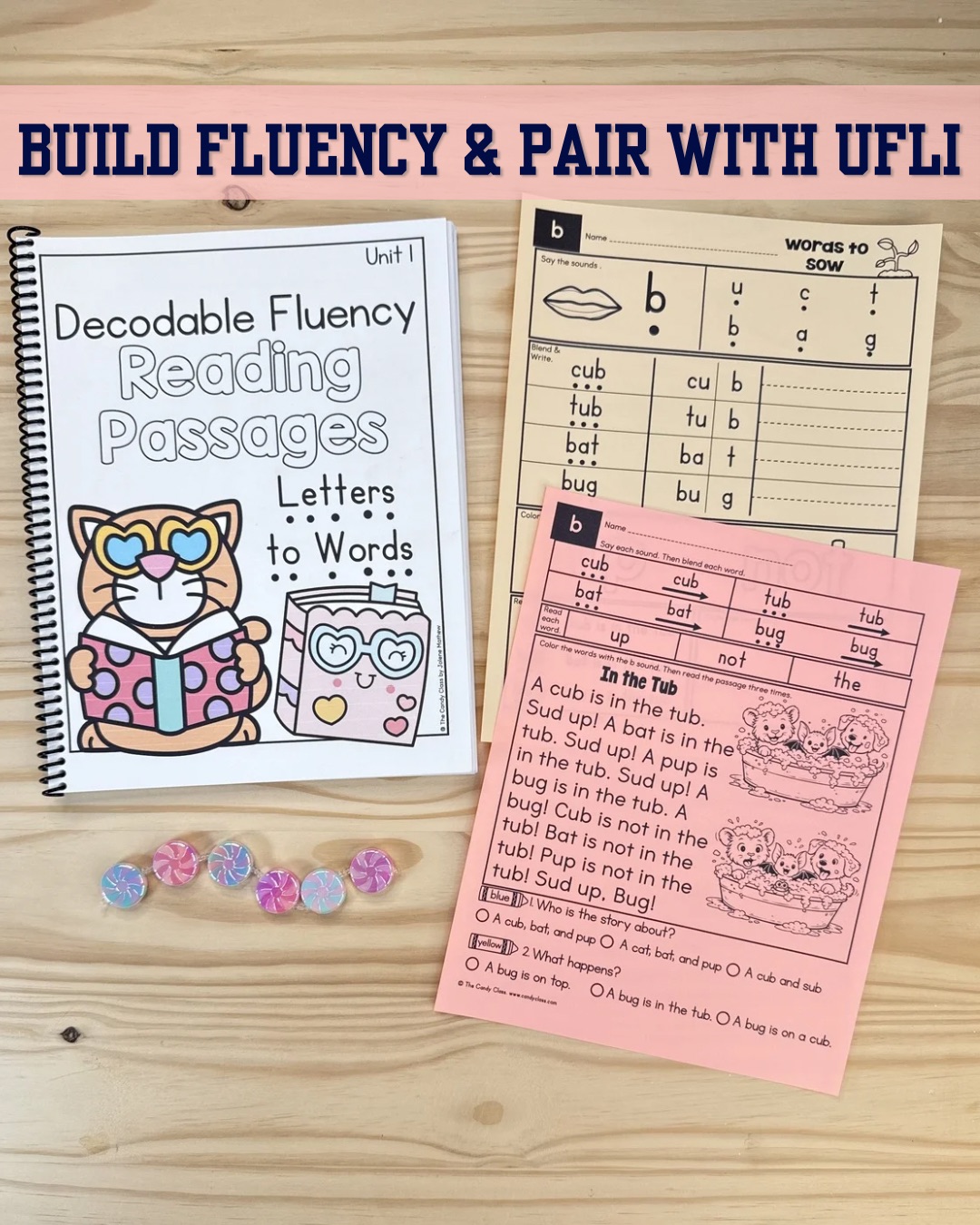
Practicing blending words from the passage
-
Reading word lists or phrases pulled directly from the text
-
Or doing a quick oral blending warm-up
This small shift helps students feel successful before they ever see the full passage—and that confidence carries over into smoother reading.
2. Use Echo Reading for Modeling
Fluency needs a model. Echo reading allows students to hear what fluent reading sounds like before they attempt it independently.
Try this routine:
-
Teacher reads one sentence fluently.
-
Students echo the same sentence.
-
Repeat through the passage, then reread together.
This is especially helpful for students who struggle with phrasing or expression and need repeated exposure to fluent reading.
3. Build Repeated Readings With Purpose
Repeated reading doesn’t mean reading the same passage over and over without intention. Instead, give each reread a clear focus:
-
First read: accuracy and decoding
-
Second read: smoother phrasing
-
Third read: expression and confidence
Because the passages are decodable, students can focus on fluency behaviors instead of getting stuck on unfamiliar words.
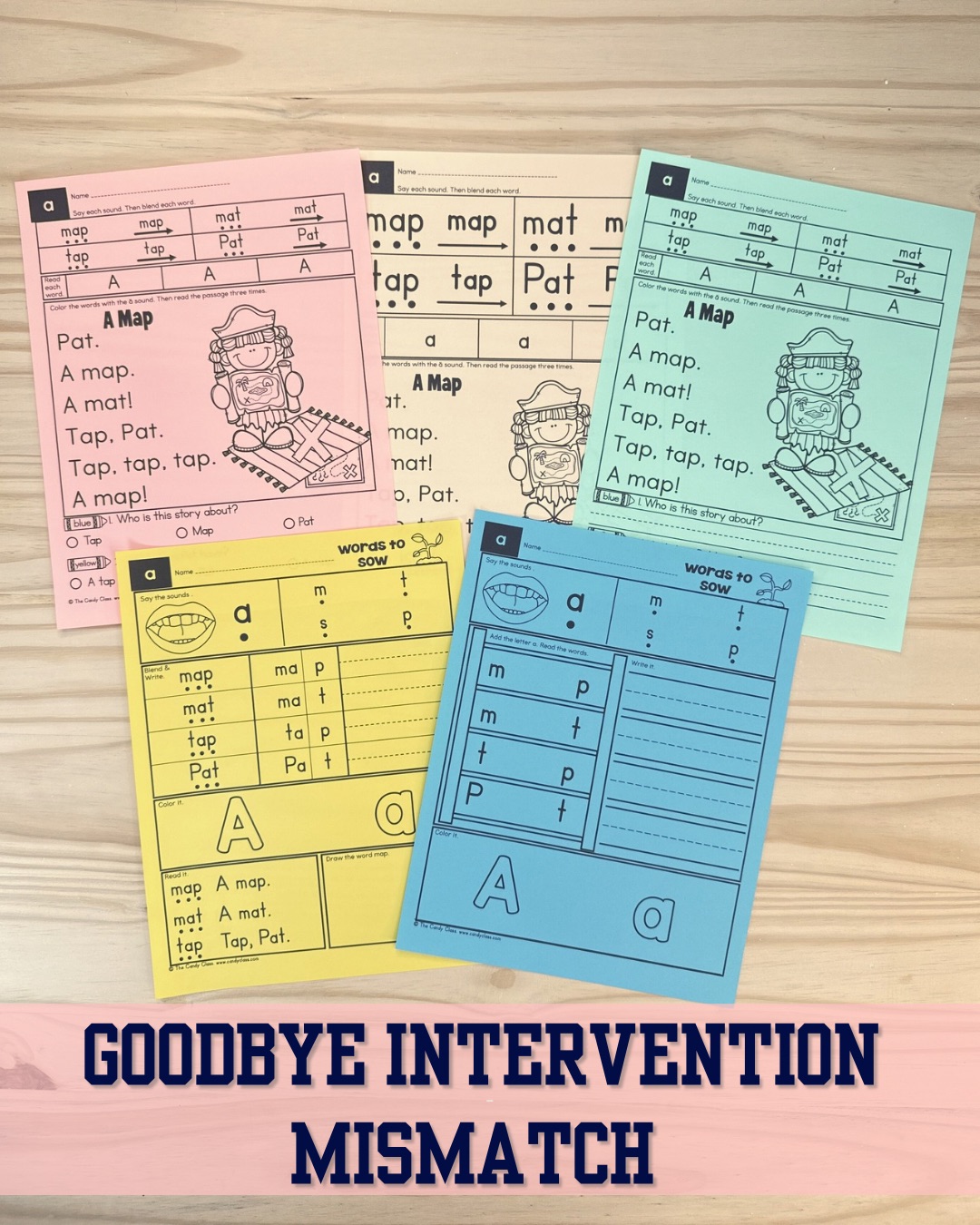
4. Pair Passages With Targeted Intervention Sheets
Some students need more support—and that’s where targeted intervention sheets come in.
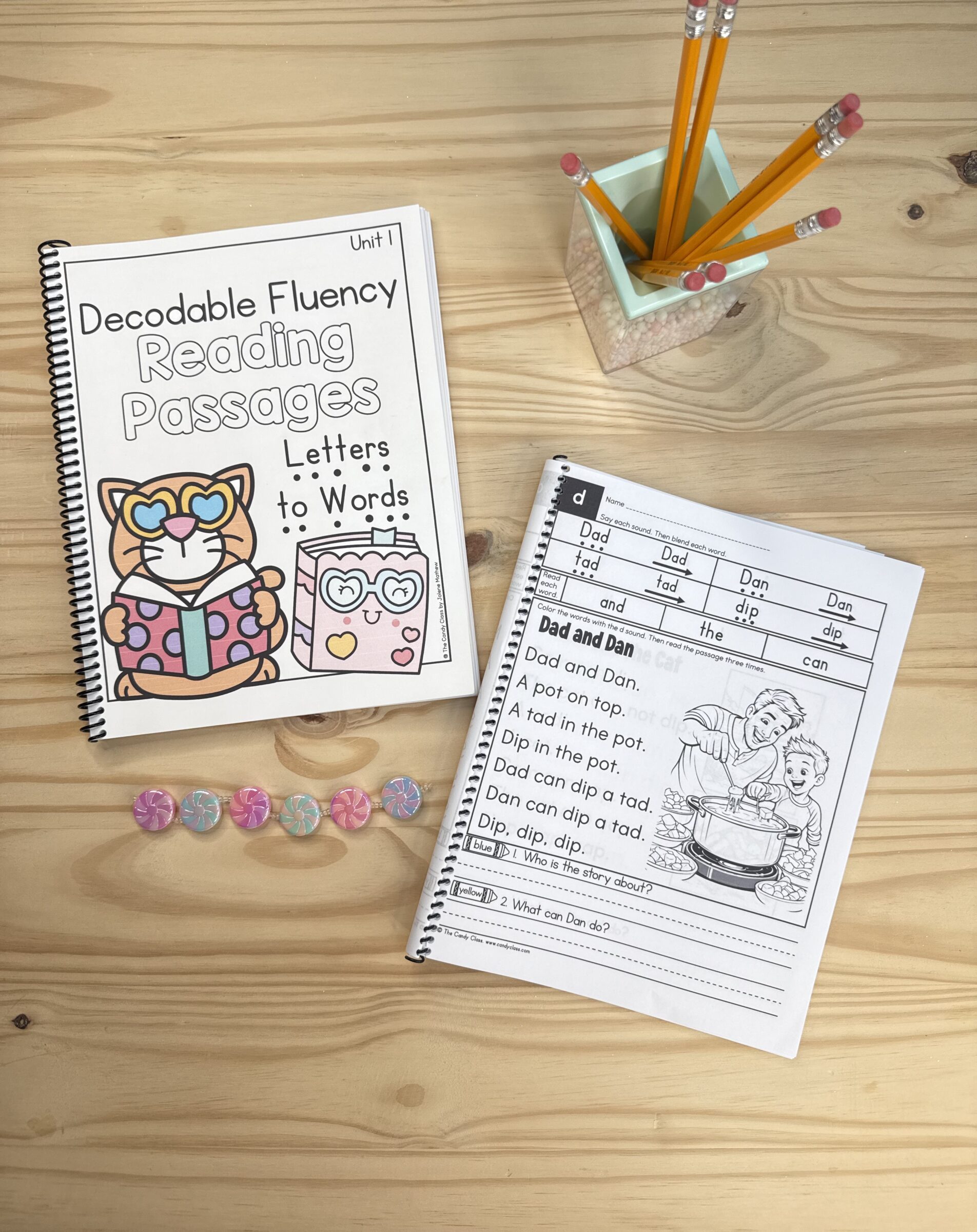
Pairing a decodable passage with:
-
Skill-specific practice
-
Extra blending support
-
Phrase or sentence warm-ups
This allows teachers to differentiate without pulling completely different materials.
Everything stays aligned to the same phonics focus, which reduces confusion and increases transfer to reading.
You know which students tend to need extra support, and adding an intervention sheet is an effective way to provide that.
5. Keep It Simple and Consistent
Fluency routines don’t need to be complicated to be effective. In fact, students benefit from predictable routines they can internalize over time.
Using the same structure—warm-up, read, reread, and respond—helps students know what to expect and frees up cognitive energy for reading.
Over time, those small daily fluency moments add up in a big way.
Why Decodable Passages Matter for Fluency?
When passages match the phonics skills students have been taught:
-
Reading feels doable
-
Confidence increases
-
Fluency grows naturally
Instead of guessing or memorizing, students are actually reading—and that’s the goal.
Want to Use These Fluency Ideas in Your Classroom?
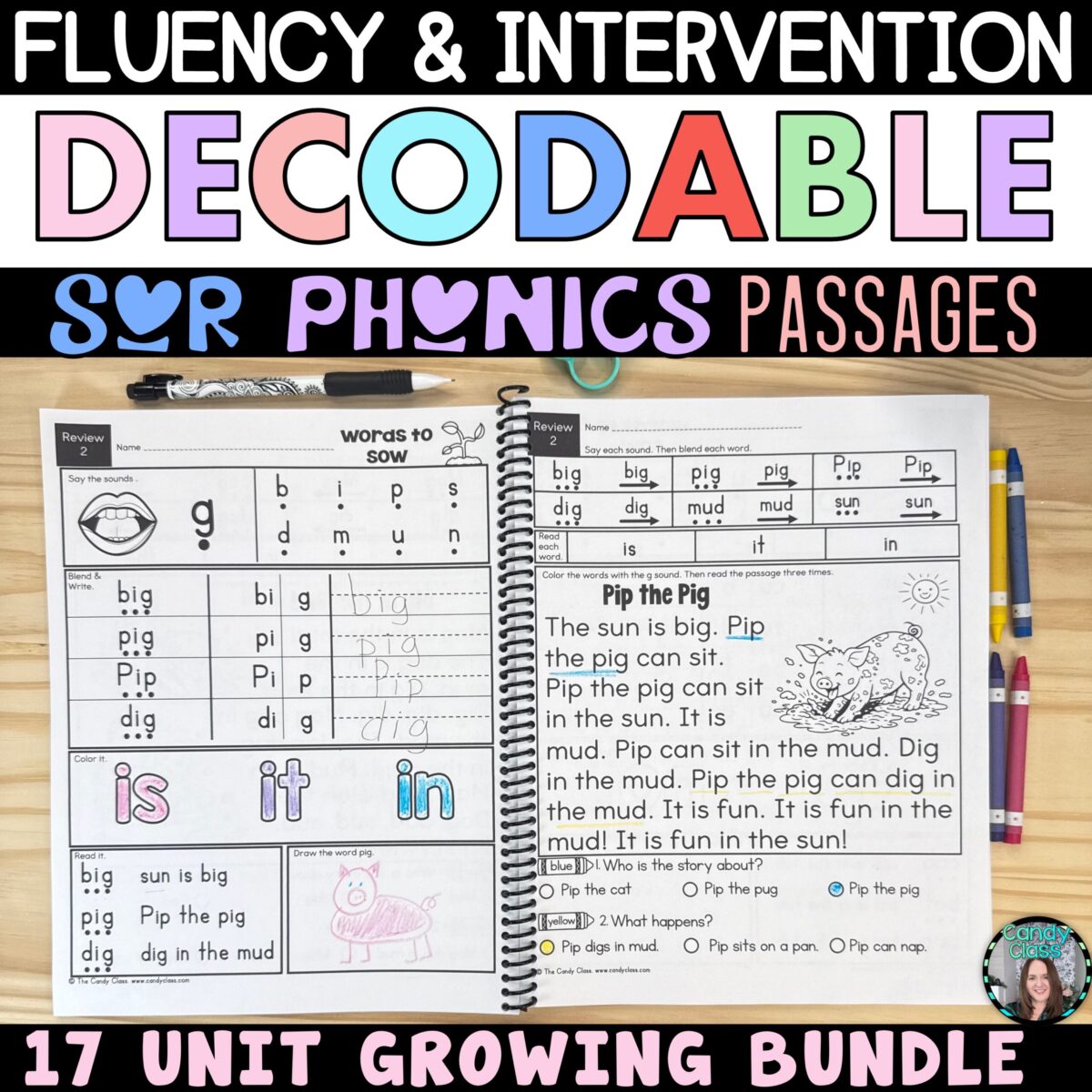
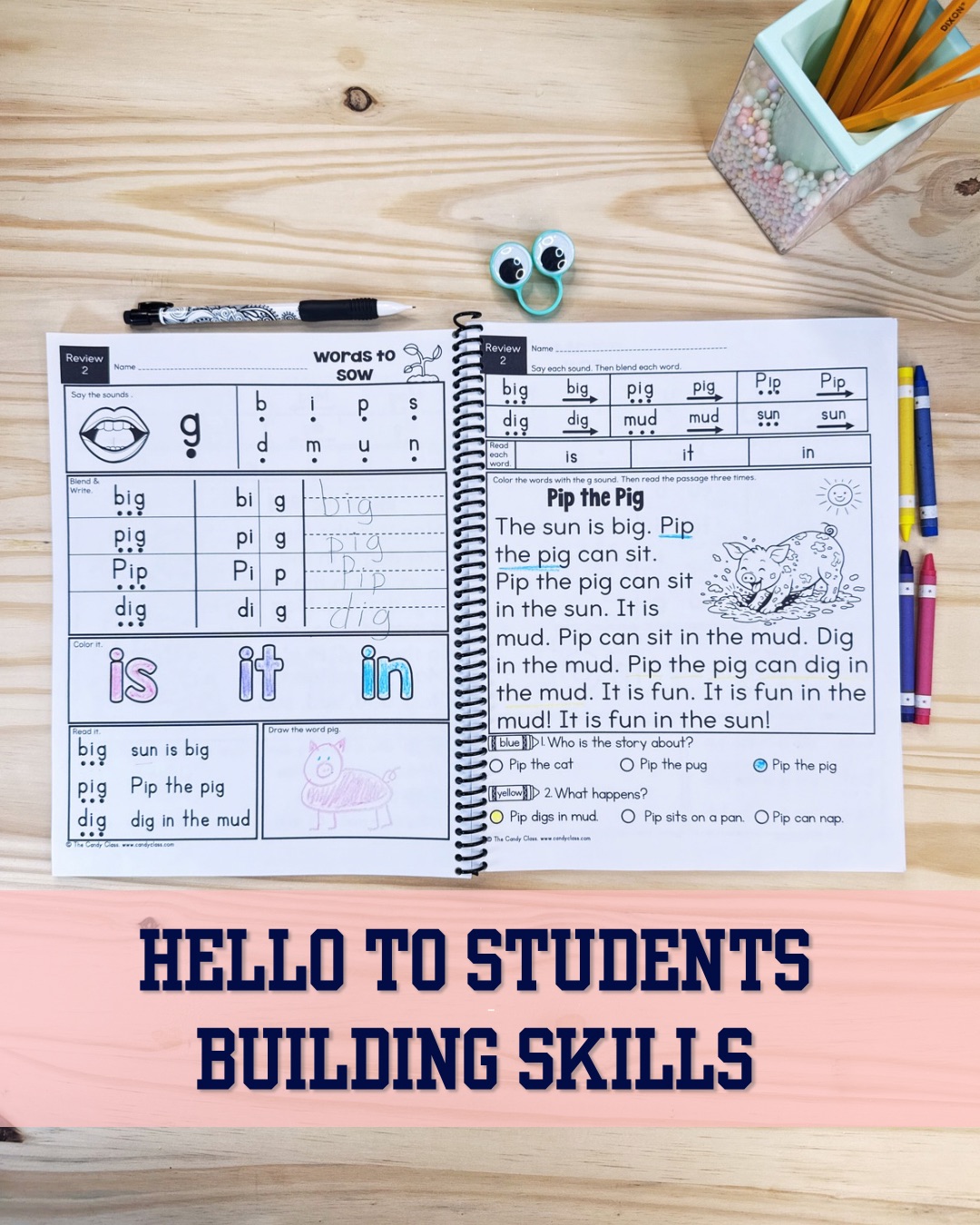
This bundle contains a comprehensive fluency program designed to build skill by skill over time. It includes embedded support that makes differentiation easy, while guiding students through a solid scope and sequence that pairs with UFLI.
Here’s a snapshot of what you’ll find once the growing bundle is complete:
- Over 120 Passages: The bundle covers every skill noted in the scope and sequence, providing consistent, structured practice across the year.
- Intentional Skill Progression: Skills build from alphabet-focused words to multisyllabic words with prefixes and suffixes. Each passage is carefully crafted to align with specific phonics skills while spiraling in previously taught patterns for continued review and reinforcement.
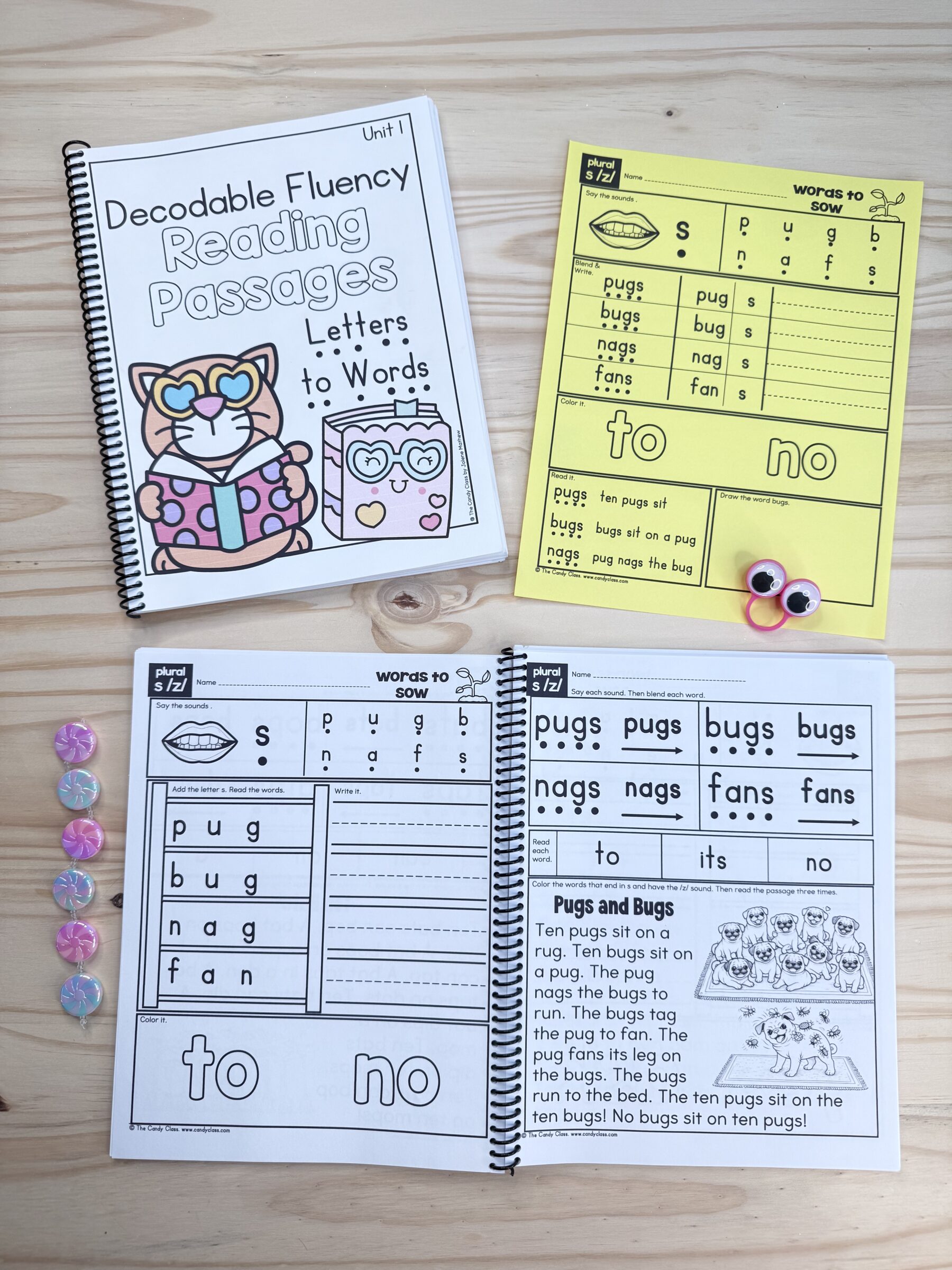
- Built-In Intervention Support: For students who need additional practice, targeted intervention sheets pair directly with the passages. These sheets provide extra blending, decoding, and word-level support—making it easier to meet students where they are without introducing separate materials.
- No Prep Convenience: The passages are designed for immediate use—simply print and teach. Teachers may also choose to bind passages into student books for ongoing fluency practice throughout the year.
- Easy Differentiation Across Grade Levels: With layered support built into the resource, it’s easy to differentiate instruction for kindergarten through second grade while keeping all students working within the same structured routine.
- Comprehensive K–2 Coverage: This bundle supports literacy growth across the primary grades, allowing teachers to build fluency systematically and confidently year after year.
All of the fluency routines shared above are the same structures this resource was designed to support—so teachers can implement them consistently with aligned passages and built-in intervention support.